The freight ETA engine your ops team can commit to
Built for 3PLs and shipper logistics teams running FTL in the US truckload corridor. Freightglint replaces the manual hedge — the +2-hour buffer your team adds because they don't trust the carrier's number — with a prediction grounded in lane-specific history.
Request DemoLane Intelligence
6M+ carrier × lane × season pairs
Carrier Scoring
Rolling 90-day OTP performance index
Weather Overlay
NOAA corridor delay probability
The lane data carriers report doesn't tell you what you need to know
Carrier OTP figures are network-wide averages. They can hide the fact that the Dallas→Memphis lane on Thursday afternoons runs 35 minutes late 40% of the time in Q4 — because the aggregate looks acceptable even when specific lanes chronically underperform.
Freightglint indexes 6 million carrier × lane-corridor × day-of-week × season pairs. That specificity is what a useful ETA model needs — not a network average, not a contract number, not what the carrier told you at the bid.
- 12–24 months rolling lane history
- Seasonal variance modeling
- Day-of-week + holiday proximity adjustments
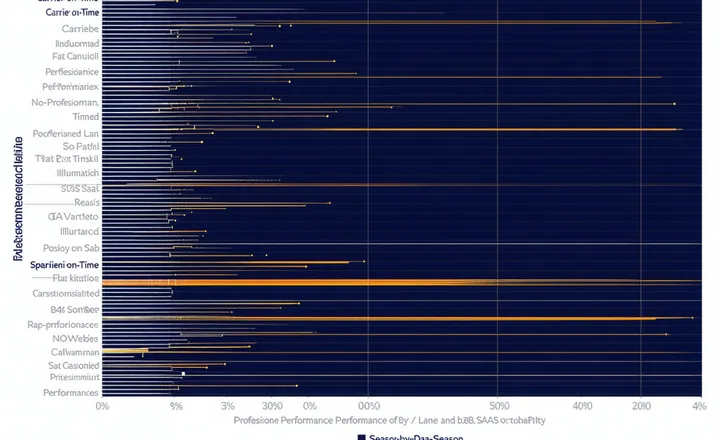
90-day rolling score, not your contract SLA
Carrier performance drifts. Driver turnover, equipment cycles, and seasonal dispatch pressure mean a carrier who was hitting 95% OTP 18 months ago might be running 12% late this quarter on the same lane. A score based on contract history won't catch that — a rolling 90-day window will.
Freightglint's carrier score feeds directly into the confidence band calculation. A high-variance carrier on a thin lane produces a wider window. That width is the honest answer — and your team can decide how to quote it to the customer.
- Per-lane OTP, not network average
- Delay variance scoring (consistency matters)
- Available for up to 25 carriers (Starter) or unlimited (Growth+)
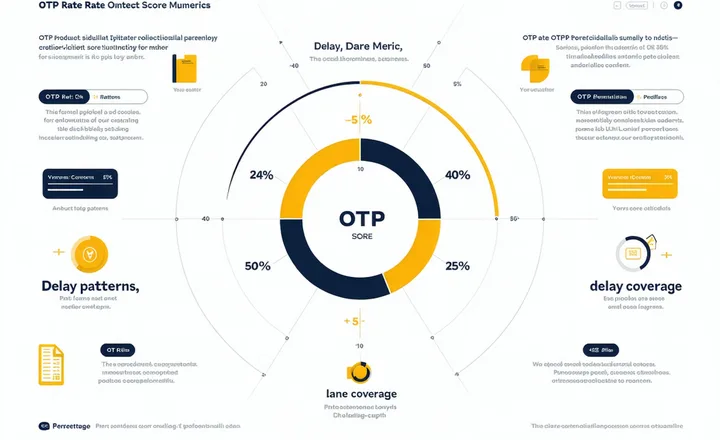
Carrier booking ETAs assume clear skies. Yours shouldn't.
When a carrier gives you an ETA at tender, they're working from standard transit time tables — not from what the weather looks like on that corridor on that specific day. Weather accounts for an estimated 15–25% of unplanned delay variance on FTL lanes. It's the factor most visible platforms still treat as an afterthought.
Freightglint correlates NOAA forecast data against historical delay patterns per corridor, generating a corridor delay probability that gets folded into the final confidence band. When a storm system is tracking across I-40, the prediction window widens. Your customer gets a wider quote, not a wrong one.
- NOAA forecast integration per corridor
- Historical weather × delay correlation
- Available on Growth and Enterprise tiers
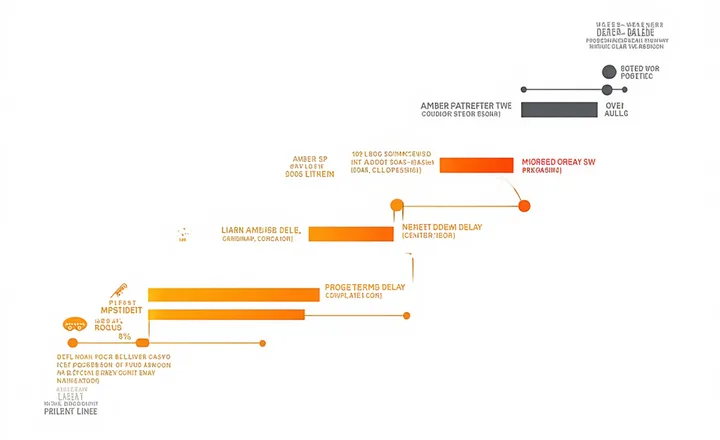
A delivery window your ops team can put on paper.
The ETA Engine combines lane OTP history, carrier scoring, and weather corridor probability into a single structured output: a predicted delivery window, a confidence percentage, and the specific risk factors driving uncertainty. Not a black box — a number with reasoning attached.
When confidence is 92%+, quote the mid-point to your customer. When weather pushes a medium risk flag, widen the window by 30 minutes and say so. Your dispatcher makes the call — Freightglint gives them the data to make it right.
See Live DemoReady to see what we know about your lanes?
Bring your top 10 carrier-lane pairs to the demo call. We'll run the lane-level scoring and confidence bands live — on your actual freight data, not a canned example.